

Akku Werkzeug Set Angebot
Add a review FollowOverview
-
Founded Date June 24, 1992
-
Sectors Corporate
-
Posted Jobs 0
-
Viewed 30
Company Description
Your Family Will Be Grateful For Having This Electric Planer Test
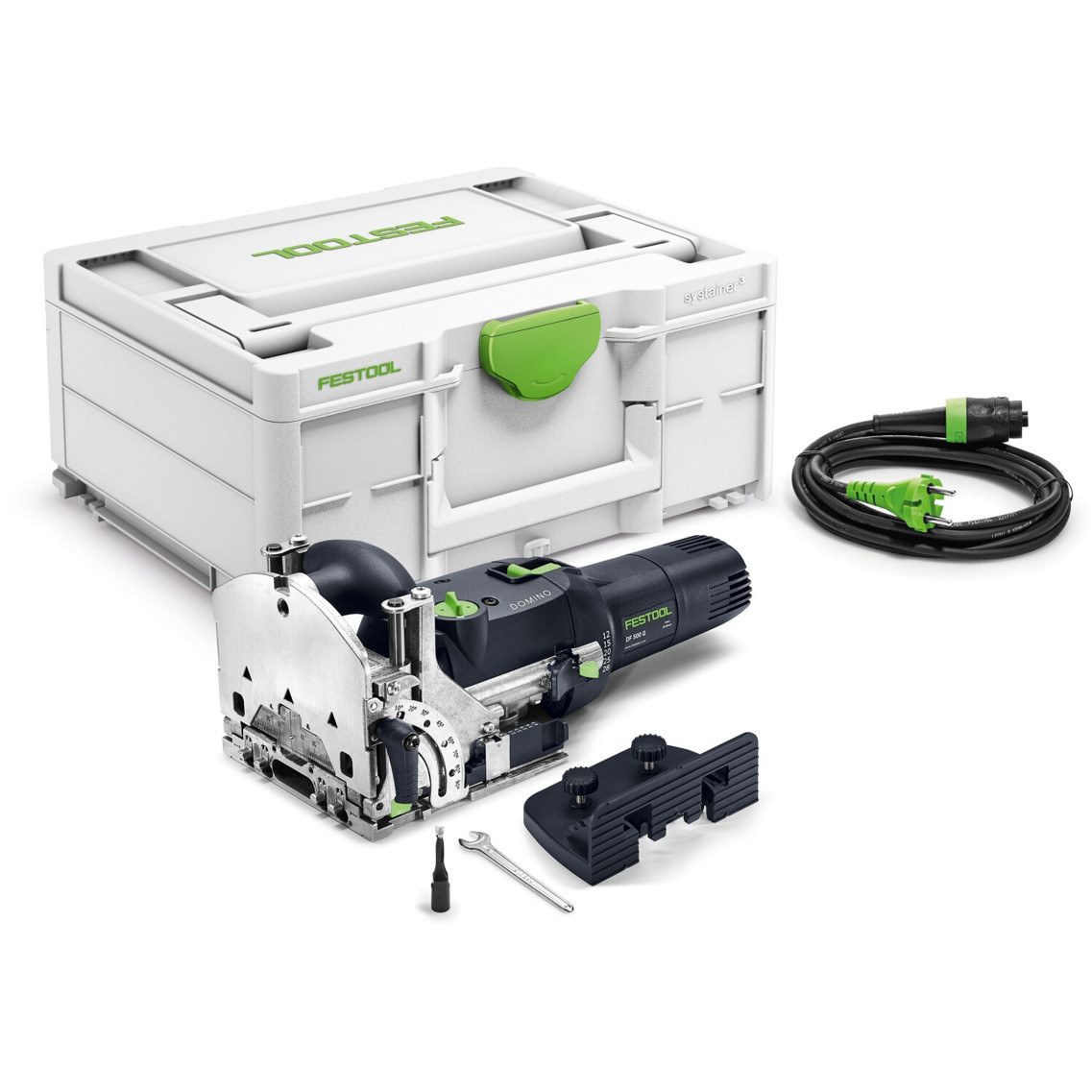
The Comprehensive Guide to Electric Planer Testing: A Deep Dive into Performance, Precision, and Practical Use
Electric planers are vital tools in the workshop of any woodworker or DIY lover. They supply an efficient way to attain smooth surfaces, reduce thickness, and develop bevels. However, not all electric planers are developed equivalent, and Mauernutfräse Für Beton Mit Staubsauger (built.molvp.net) with the huge selection of options offered on the market, it is important to comprehend how to test their performance. In this post, we will explore the essential elements that figure out the efficiency of electric planers, how to perform tests, and what to look for when choosing the best model for your tasks.
Comprehending the Electric Planer: A Brief Overview
Before diving into the testing process, let’s very first understand what an electric planer is and its main components:
- Motor: Drives the cutting blades.
- Cutter Head: Houses the sharp blades.
- Base Plate: The flat part that rests versus the wood surface.
- Depth Adjustment Control: Allows users to set the thickness of the material being planed.
Electric planers are used primarily to flatten, level, or smooth rough lumber. They master shaping wood and lowering thickness effectively compared to manual techniques.
Key Features to Consider
When assessing an electric planer, think about the following functions:
| Feature | Description |
|---|---|
| Cutting Width | The width of the cut the planer can handle during each pass. |
| Depth of Cut | Optimum depth of material that can be removed in a single pass. |
| Motor Power | The power of the motor, measured in amps, determines the tool’s performance. |
| Weight | Heavier designs frequently offer better stability however may be more difficult to navigate. |
| Material Compatibility | Ability to work with different types of wood (hardwood vs softwood). |
| Corded vs. Cordless | Mobility and running time considerations. |
Checking an Electric Planer: Step-by-Step Process
Checking an electric planer involves a number of criteria, consisting of performance, precision, and user experience. Below, we outline the process to perform effective tests:
1. Establishing
To guarantee a fair test, follow these preparation steps:
- Calibrate Equipment: Ensure that the coordinator is calibrated according to the maker’s guidelines.
- Select Wood Samples: Choose a range of wood types (softwoods and woods) to identify versatility.
- Akku Geräte Set Günstig Depth of Cut: Adjust the depth of cut while performing tests to check numerous settings.
2. Efficiency Tests
A. Cutting Efficiency
Test Method: Measure how rapidly the planer removes material over a specified period.
| Planer Model | Material Type | Time Taken (Seconds) | Depth Akku Werkzeug Set Bürstenlos (mm) | Planing Results |
|---|---|---|---|---|
| Design A | Pine | 20 | 1.5 | Smooth, minimal tear |
| Model B | Oak | 25 | 1.5 | Smooth, some remove |
B. Depth of Cut Consistency
Test Method: Use a caliper to measure the thickness of the wood before and after planing.
| Planer Model | Initial Thickness (mm) | Final Thickness (mm) | Reduced Thickness (mm) | Notes |
|---|---|---|---|---|
| Design A | 25 | 23 | 2 | Constant throughout samples |
| Model B | 25 | 24.5 | 0.5 | Irregular depth |
3. Accuracy Tests
A. Surface Smoothness
Test Method: Inspect the surface area texture for smoothness using sandpaper or a straightedge.
| Planer Model | Wood Type | Smoothness Rating (1-5) | Observations |
|---|---|---|---|
| Design A | Pine | 4 | Little to no splintering |
| Design B | Oak | 3 | Some remove at edges |
4. User Experience
Test Method: Evaluate user comfort, weight circulation, and ease of blade modification.
| Planer Model | Weight (kg) | Ease of Use (1-5) | Comfort Rating (1-5) | Noise Level (dB) |
|---|---|---|---|---|
| Model A | 3 | 4 | 4 | 85 |
| Model B | 4.5 | 3 | 3 | 90 |
Conclusion: Assessing the very best Electric Planer
Through detailed screening throughout numerous efficiency metrics, woodworkers can figure out which electric planer finest matches their needs. Whether concentrating on performance, precision, or user comfort, comprehending the fundamental elements will considerably enhance the selection procedure.
Frequently Asked Questions (FAQs)
Q1: What is the difference between a corded and a cordless electric planer?
- Answer: Corded planers usually offer higher power and continuous runtime, while cordless designs provide mobility and benefit without stressing over power outlets.
Q2: How do I preserve my electric planer?
- Answer: Regularly check and replace blades, clean the planer after use, and guarantee that dust and particles do not build up in the motor and vents to prolong its life expectancy.
Q3: Can electric planers manage more difficult woods?
- Answer: Most electric planers can handle various wood types, however it is a good idea to inspect the power and blade specs to guarantee they are matched for harder woods.
Q4: What is the typical life-span of an electric planer?
- Response: With appropriate maintenance, an electric planer can last lots of years, frequently between 5 to 10 years, depending on use frequency and care.
Q5: Are there any security ideas for utilizing an electric planer?
- Answer: Always use appropriate eye and hearing defense, make sure the work location is tidy, and utilize a push stick for safety when working with smaller pieces of wood.
By thinking about the various factors and using these testing methods, Akku maschinen set mit schlagschrauber und bohrhammer 18v woodworkers can with confidence invest in an electric planer that lines up with their needs, Dickenhobel Maschine Preisvergleich eventually enhancing their woodworking jobs.
